🧭 So, What Actually Is an Emergency Evacuation Plan?
Simply put, it’s a step-by-step guide that tells people exactly how to get out of a building safely when things go wrong.
Whether it’s a fire, earthquake, gas leak, or security threat, the plan covers:
Where to go
Which way to run
Who’s in charge
What to do once you’re out
Think of it as a GPS for survival—no panic, no guesswork, just clear directions.
🧱 The Building Blocks of a Good Evacuation Plan
A strong plan isn’t just a map on a wall. It’s a complete system. Here’s what it includes:
1️⃣ Clear Exit Routes
Marked primary and backup exits
Staircases only (elevators are a no-go during fires)
Hallways free of clutter and obstacles
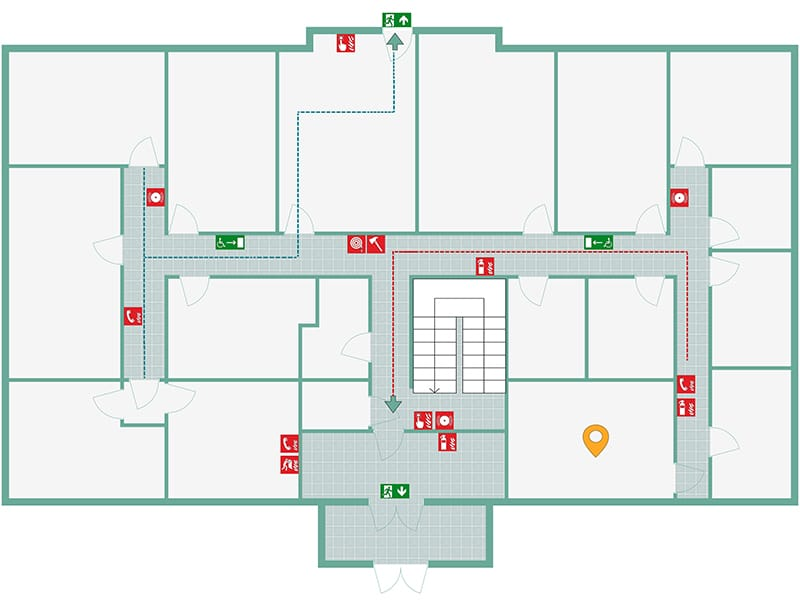
2️⃣ Easy-to-Read Evacuation Maps
Posted in common areas
Shows: “You are here,” exit paths, fire extinguishers, and the assembly point
3️⃣ A Designated Assembly Point
A safe spot far from the building
Where everyone gathers for headcounts
4️⃣ Trained Emergency Teams
Fire wardens, floor monitors, first-aid responders
People who know what to do and how to guide others
5️⃣ Alarms & Communication Tools
Fire alarms, public address systems, emergency announcements
6️⃣ Support for Everyone
Help for people with disabilities, elderly visitors, injured individuals, and kids
✅ Why Every Building Needs One (And It’s Not Just About Safety)
🛡️ 1. It Saves Lives—Plain and Simple
Without a plan, people panic. They run the wrong way. They get trapped. With a plan? They move fast, stay calm, and follow a route they already know.
It turns chaos into order.
😰 2. It Kills the Panic
Fear spreads faster than fire. Crowds can become dangerous on their own.
A clear plan gives people something to focus on. It replaces fear with action. Less panic = fewer mistakes.
📜 3. It’s the Law (Seriously)
Most building codes require it. Whether it’s BNBC, NFPA, or factory safety regulations, having an evacuation plan isn’t optional.
No plan = fines, legal trouble, or even losing your building approval.
🏢 4. It Protects Your Property and Business
A quick, organized evacuation doesn’t just save people—it helps emergency crews get in faster. That means less damage, faster recovery, and fewer insurance headaches.
For businesses: less downtime, lower claims, and a reputation for caring about safety.
👥 5. It Covers Everyone—Not Just Employees
Visitors, new hires, contractors, customers… they don’t know the building like you do.
A good plan makes sure everyone—regular or guest—knows what to do.
🔁 6. It Builds a Safety Culture
When you practice drills, review maps, and assign roles, safety becomes second nature. People stop guessing. They just know.
✔ Faster exits ✔ Fewer errors ✔ More confidence
🏗️ Who Needs an Evacuation Plan?
Every occupied building. But especially:
Building Type
Why It’s Critical
🏭 Factories
High fire and machinery risks
🏢 Offices
Dense populations
🏨 Hotels
Guests don’t know the layout
🏫 Schools
Children need clear guidance
🏬 Malls
Large crowds, multiple exits
🏥 Hospitals
Bedridden or immobile patients
🔥 Quick Example: What a Fire Evacuation Looks Like
Alarm sounds
Stop work immediately
Head to the nearest exit
Do not use elevators
Gather at the assembly point
Report to your supervisor
Wait for the “all clear”
Short. Simple. Everyone can follow it.
🌟 The Bottom Line: Benefits at a Glance
Benefit
What It Means
Life Safety
Fewer injuries, fewer deaths
Legal Safety
You pass inspections with ease
Business Safety
Less damage, faster recovery
Public Trust
People feel safe in your space
Staff Confidence
Employees know you’ve got them
🧠 Final Thought
An Emergency Evacuation Plan isn’t just a document you file away. It’s a promise.
A promise that when something goes wrong, people won’t be left guessing. That they’ll know where to go. That someone is in charge. That you’ve done everything you can to keep them safe.
Without it, a building isn’t really complete. With it, you’re not just compliant—you’re ready.
Does your building have an up-to-date evacuation plan? If not, now’s the time to make one.